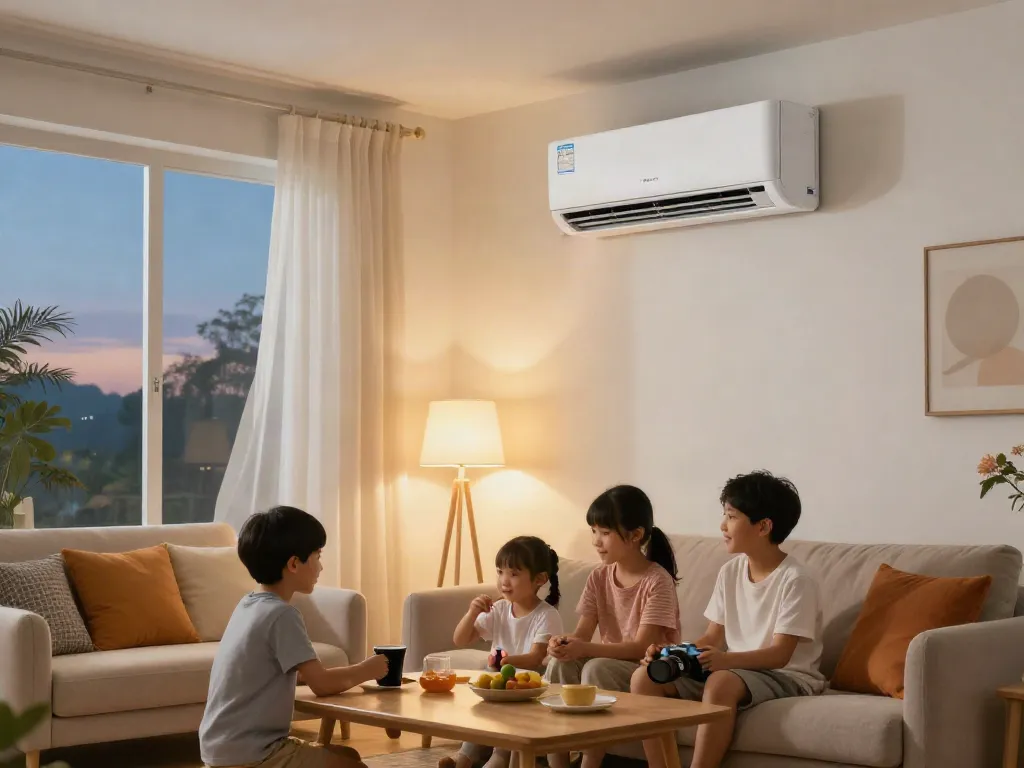
Understanding the 18000 BTU Mini Split Systems
The 18000 BTU mini split systems have become increasingly popular among homeowners and businesses alike for their efficiency, versatility, and ease of installation. These systems allow for individualized temperature control in various spaces, making them an optimal choice for different climates and applications. When exploring options, 18000 btu mini split systems can offer robust cooling and heating solutions tailored to your specific needs.
What is an 18000 BTU Mini Split?
A mini split system is a type of ductless air conditioning (AC) or heating system that consists of two main components: an indoor unit and an outdoor compressor. The "BTU" refers to British Thermal Units, a unit of energy used to measure heating and cooling. An 18000 BTU mini split system is designed to cool or heat spaces approximately 800 to 1250 square feet, making it ideal for various environments such as homes, offices, and commercial establishments. These systems are particularly advantageous where traditional ducted systems would be impractical or too costly to install.
Key Features and Advantages of 18000 BTU Mini Splits
- Energy Efficiency: Mini splits typically have higher energy efficiency ratings (EER and SEER) compared to traditional HVAC systems, which leads to lower utility bills.
- Zone Control: Each indoor unit can be controlled independently, providing customized comfort for different areas.
- Space Saving: The absence of ductwork minimizes the space required for installation and reduces potential energy losses associated with ducts.
- Quiet Operation: Mini splits operate at lower noise levels when compared to conventional air conditioning systems, enhancing comfort.
- Versatility: Many mini split systems can provide both heating and cooling, making them suitable for year-round use.
Common Applications for 18000 BTU Mini Split Systems
18000 BTU mini split systems are versatile appliances that can be utilized in various settings, including:
- Residential Use: Ideal for living rooms, bedrooms, and open floor plans where managing multiple temperature zones is advantageous.
- Commercial Spaces: Effective in retail stores, office buildings, and restaurants that require precise climate control for customer comfort.
- Workshops and Garages: Perfect for insulated garages or workshops where heating or cooling is necessary without the complexity of ductwork.
Installation Insights for 18000 BTU Mini Splits
Preparing Your Space for Installation
Before installation, assess the area where the mini split will be placed. Consider factors such as available wall space for the indoor unit, proximity to the outdoor unit, and existing electrical systems. It is also vital to ensure the area is free of obstructions that might hinder airflow and efficiency.
Step-by-Step Guide to Installing a Mini Split System
- Choose the Right Location: Select a location for both the indoor and outdoor units that maximizes airflow and minimizes noise disruption.
- Mount the Indoor Unit: Secure the indoor unit to the wall, ensuring it is level.
- Install the Outdoor Unit: Position the outdoor unit on a firm surface, preferably on a concrete pad or elevated platform to avoid water pooling.
- Connect Refrigerant Lines: Carefully run refrigerant lines between the indoor and outdoor units while ensuring they are properly insulated.
- Connect Electrical Wiring: Follow the manufacturer's instructions to connect the electrical lines, ensuring all safety protocols are met.
- Test the System: Once everything is connected, power on the system to check for leaks and ensure both heating and cooling functions are operational.
Professional Installation vs. DIY: What You Need to Know
While many homeowners consider DIY installation as a cost-saving method, professional installation guarantees that the system is set up correctly and operates efficiently. Certified technicians understand the nuances of electrical and refrigerant systems and can provide valuable insights. However, for those with experience in HVAC systems, a DIY approach can be viable if local codes permit it.
Maintenance Tips for Optimal Performance
Routine Maintenance Tasks for 18000 BTU Mini Splits
Regular maintenance is crucial to keep your 18000 BTU mini split running efficiently. Here are some essential tasks:
- Filter Cleaning: Clean or replace air filters every 1-3 months to maintain airflow and indoor air quality.
- Outdoor Unit Inspection: Regularly inspect the outdoor unit for debris and ensure that the fins are clean and free from obstructions.
- Drain Line Maintenance: Check the condensate drain line to prevent clogs that can lead to water damage and decreased efficiency.
Identifying Common Issues and Solutions
If your mini split is experiencing issues such as poor airflow, fluctuating temperatures, or unusual noises, it’s essential to troubleshoot quickly. Common problems may include dirty filters, refrigerant leaks, or malfunctioning thermostats. Many of these issues can be resolved through regular maintenance or by consulting a professional technician.
Seasonal Checks to Ensure Efficiency
At the start of each season, inspect your mini split system to confirm it is operating correctly. Before summer, ensure it is adequately cooling by checking refrigerant levels and cleaning filters. Before winter, test the heating function and clean the outdoor unit to remove any debris that might hinder performance.
Comparing 18000 BTU Mini Splits with Other Systems
18000 BTU Mini Split vs. Traditional HVAC Systems
Unlike traditional HVAC systems, which rely on ductwork for air distribution, mini split systems are ductless. This design leads to improved energy efficiency due to lower energy losses. Additionally, mini splits allow for individualized temperature control, which can enhance comfort and decrease energy costs.
How Ductless Systems Compare in Energy Efficiency
Studies show that ductless mini split systems can be significantly more energy-efficient than their ducted counterparts. This is primarily due to the elimination of duct losses that can account for over 30% of energy consumption in traditional systems. Additionally, mini splits often feature inverter technology, allowing the compressor to adjust output based on the set temperature, optimizing energy use.
Cost Analysis: Initial Investment vs. Long-Term Savings
The initial cost of an 18000 BTU mini split system may be higher than a traditional HVAC setup. However, the long-term savings in energy efficiency and lower operational costs often outweigh the upfront investment. As energy prices rise, the demand for efficient systems like mini splits is likely to increase, making them a smart financial choice.
Future Trends in Mini Split Technology for 2026 and Beyond
Smart Technology Integration in 18000 BTU Mini Splits
The integration of smart technology into mini split systems is expected to significantly reshape user experience. Features such as Wi-Fi connectivity and smart thermostats can allow homeowners to control their system remotely, set schedules, and monitor energy use in real-time, further enhancing the efficiency of their heating and cooling systems.
Energy Efficiency Standards and Regulatory Impacts
Upcoming regulations are likely to impose stricter energy efficiency standards, prompting manufacturers to innovate and produce mini split systems that consume even less power. Compliance with these standards will not only be crucial for market competitiveness but also beneficial for consumers looking to reduce their carbon footprint.
Consumer Preferences and Market Predictions
As awareness of energy efficiency and sustainability grows, consumers are increasingly leaning towards eco-friendly options, including 18000 BTU mini splits. Market trends indicate a rise in demand for systems that combine heating and cooling functionalities with low environmental impacts. This shift presents opportunities for manufacturers to develop high-performance, energy-efficient models that meet the needs of modern consumers.
What are the benefits of an 18000 BTU mini split?
Benefits of an 18000 BTU mini split include energy efficiency, customizable comfort across different zones, space-saving installations, and quiet operation, making them perfect for diverse applications.
How does installation of a mini split system work?
Installation typically involves positioning the indoor and outdoor units, connecting refrigerant lines, and ensuring proper electrical connections. While DIY options exist, professional installation is recommended for optimal performance.
What maintenance is required for optimal performance?
Regular maintenance, including filter cleaning, outdoor unit inspections, and servicing of the condensate drain line, is essential for maintaining the efficiency and longevity of your mini split system.
How does the 18000 BTU mini split compare to traditional systems?
18000 BTU mini splits outperform traditional HVAC systems in terms of energy efficiency, flexibility, and installation ease, often leading to lower utility costs for homeowners.
What are the latest trends in mini split technologies?
Recent trends include the integration of smart technology, improvements in energy efficiency standards, and an increased focus on eco-friendly refrigerants that minimize environmental impact.